
It’s Tick Season!
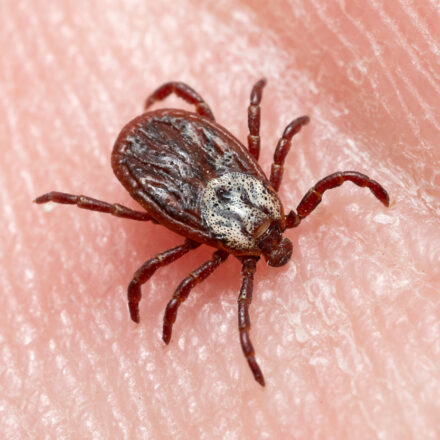 Plattsburgh, April 6, 2026. The Clinton County Health Department (CCHD) is reminding residents that ticks become active for the season as soon as temperatures start reaching 40⁰F and remain active until temperatures consistently drop below that number. Ticks can spread diseases that make people and pets very sick. Diseases or illnesses spread by ticks are called “tick-borne.” Lyme disease, carried by the deer (black-legged) tick, is the most common tick-borne illness in Clinton County, followed by Anaplasmosis, and Babesiosis. Other diseases spread by ticks include Rocky Mountain Spotted Fever and Powassan virus.
“The first step in preventing tick-related illness is to avoid ticks and the places we know they like to be,”explained Nichole Louis, Director of Health Care Services at the CCHD. “Ticks live in grassy, brushy, orwooded areas, or even on animals. Stay toward the center of the path when hiking, and avoid dense woodsand brushy areas with high grass and leaf litter when possible. But most importantly—make tick checks part of your daily routine.”
The sooner a tick is removed, the lower your risk of developing tick-bone illness. Tick checks should include key areas ticks like to hide, such as under the arms, in and around the ears, inside the belly button, behind the knees, between the legs, around the waist, and on the hairline and scalp. Taking a shower as soon as possible after spending time outdoors can also help to wash away unattached ticks. If spending time outdoors, check for ticks frequently so you can remove them before they have a chance to bite you or your family members.
Pets that spend time outdoors can bring ticks indoors, putting you at risk, even if you haven’t spent time outdoors yourself – so include them in daily tick checks.
Other prevention measures include:
• Use an EPA (Environmental Protection Agency) approved insect repellent that contains DEET, picaridin, IR3535, oil of lemon, eucalyptus or 2-undecanone.
• Cover your skin as much as possible. Wear enclosed shoes, long pants and a long-sleeved shirt. Tuck pant legs into socks or boots and shirt into pants.
• Wear light-colored clothing with a tight weave to spot ticks easily.
• Treat clothing and gear (such as boots, pants, socks, and tents) with products containing 0.5% permethrin. Never apply permethrin directly to skin.
• Cover baby carriers and strollers with mosquito netting.
• Stay away from animal nests and teach children to do the same.
• Tumble clothes in a dryer on high heat for 10 minutes to kill ticks on dry clothing after you come indoors. If the clothes are damp, let them dry completely and then tumble dry for 10 minutes on high heat.
“Persons who have any physical mobility or other needs, call the telephone number above to arrange for accommodations”“If you have been bitten by a tick, be sure to tell your doctor and be on the lookout for symptoms over the next few weeks,” explained Ms. Louis. “The most common symptoms of tick-related illnesses include: fever, chills, rash, aches and pains.”
Residents can learn more about ticks and tick-borne illness in the North Country Health Effect, at https://health.clintoncountyny.gov/nc_healtheffect/Ticks.pdf.
Posted: April 6th, 2026 under Adirondack Region News, General News, Heathcare News, Northern NY News.