Posted: February 26th, 2026 under Adirondack Region News, Business News, Community Events, Corruption in Gov't., Environmental News, General News, Northern NY News, Peru/Regional History, State Government News, Statewide News.
Comments: none
Posted: February 26th, 2026 under Adirondack Region News, Community Events, Corruption in Gov't., Law Enforcement News, Northern NY News, Peru/Regional History, State Government News, State Legislator News, Statewide News, Upstate New York.
Comments: none
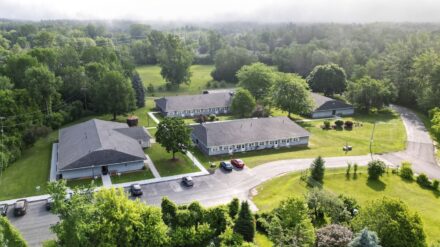 Apple Valley Senior Housing seeks to hire a cleaning person.
Responsible for cleaning common areas and four laundry rooms each week.
Added hours will be for seasonal requirements, such as spring and fall cleaning and summer gardening.
Hours are 8 hours per week from November through March, and 12-16 hours per week, April through October.
A background check will be required.
Pay will be commensurate with experience.
Please call Apple Valley Senior Housing Manager Kathy Flynn at 518-643-6766.
Apple Valley Senior Housing, Inc., 1 Apple Valley Drive, Peru, NY 12972
Posted: February 25th, 2026 under Adirondack Region News, Community Events, Northern NY News, Peru News, Senior Citizen News.
Comments: none
 New York Families Have Paid An Estimated $1,751 Per Household Due to Tariffs Since They Were Enacted Last Year
Albany, NY – Feb. 24, 2026 NYS Press Release – Governor Kathy Hochul today called on the Trump Administration to refund the estimated $13.5 billion in tariff payments for New Yorkers, following the recent Supreme Court decision overturning the Trump tariffs. Based on estimates by the Yale Budget Lab, the average New York household has faced an estimated $1,751 in added costs due to tariffs since they were enacted last year, for a total estimated $13.5 billion statewide impact.
“These senseless and illegal tariffs were just a tax on New York consumers, small businesses and farmers — and that’s why I’m demanding a full refund,” Governor Hochul said. “I’ll never stop fighting for New Yorkers, and that means staying focused on putting more money back in your pockets — not ripping it away.”
In addition to the impact of Trump tariffs on millions of consumers, Governor Hochul has also highlighted the harm caused by tariffs on New York’s small businesses and particularly farmers across the state. As part of her 2026 State of the State, the Governor proposed $30 million in tariff relief to help support impacted farmers across the state. Even with the recent Supreme Court ruling overturning Trump’s tariffs, for many farmers the damage has already been done – with farmers across New York facing higher equipment and supply costs and other major challenges.
Tariffs add a layer of costs and uncertainty that make planning and future investment more challenging for farmers.
- Over 80 percent of agrochemical imports and 70 percent of farm machinery imports come from countries facing tariffs of 10 percent or more. Farmers will have trouble finding other suppliers to avoid tariffs due to the high concentration of imports from high-tariff countries.
- Farms statewide face higher expenses for fertilizer and equipment, with some farmers indicating that their businesses face increases up to $20,000 annually, while milk exports have fallen 7 percent.
In response to these negative impacts, Governor Hochul in January announced a proposal for $30 million in tariff relief for New York farmers as part of her 2026 State of the State.
This plan will deliver direct payments to New York specialty crop growers, livestock producers, dairy farmers, and aquaculture farmers to help address the challenges faced by impacted farmers across the state.
Additional proposed initiatives in this year’s State of the State are also geared towards supporting our agricultural industry, including another round of the Dairy Modernization Grant Program and extending the refundable investment tax credit to give farms the time and certainty needed to modernize operations and complete major projects.
Posted: February 24th, 2026 under Adirondack Region News, Agricultural News, Business News, Congressional News, Corruption in Gov't., General News, Political News.
Comments: none
North Country
- Town of Moriah $150,000, Essex County
- Town of Plattsburgh $160,545, Clinton County
Funding Will Help Certified Communities Design and Adopt Pro-Housing Policies Such as Zoning Analysis, Streamlining Building Permits and Master Planning
Governor Kathy Hochul today announced that the state has awarded $5 million in technical assistance grants to help certified Pro-Housing Communities undertake activities to increase housing supply. Communities applied to receive up to $250,000 to help in their efforts to create master plans, conduct market studies and zoning analyses, streamline building permits and assist with implementing similar actions that improve their ability to cultivate a pro-housing environment.
“The Pro-Housing Communities Program is a true partnership between the State and localities that tackles the housing shortage, makes it possible for people to live in the communities of their choice and serves as an effective vehicle for aligning housing and local economic development,” Governor Hochul said. “That’s why we are making additional resources available to the 400-and-counting certified Pro-Housing Communities that will help them succeed in creating the housing New Yorkers want and need.”
Governor Hochul signed Executive Order 30 in July 2023 creating the Pro-Housing Community Program, which recognizes and rewards municipalities actively working to unlock their housing potential and encourages others to follow suit. Under the Program, which is administered by New York State Homes and Community Renewal (HCR), local governments that are taking action to support housing growth to address the housing shortage throughout the State can apply to become certified. After becoming certified, localities have exclusive access to up to $750 million in discretionary State funding. Since the launch of the Pro-Housing Communities Program, these state funds support up to 20,000 more homes statewide.
The FY25 and FY26 Enacted Budgets strengthened the Program, which has grown to over 400 certified communities. More than 550 communities from across the state have submitted Letters of Intent to join the Program.
New York State Homes and Community Renewal Commissioner RuthAnne Visnauskas said, “The Pro-Housing Communities Program is an innovative and effective housing initiative that continues to grow as more and more localities join the Pro-Housing movement. This funding will ensure local officials have the tools and support to effectively strategize how they can achieve housing growth.”
State Senator Brian Kavanagh said, “Today’s announcement underscores our commitment to supporting communities across New York to do their part to address our housing shortage by giving them the tools and resources they need to succeed. Too often, municipalities that want to build more housing face real obstacles, from limited planning capacity to complex zoning and permitting challenges. These technical assistance grants help reduce those burdens by providing access to expert support that can streamline development, strengthen local planning efforts, and remove barriers to building affordable homes. I commend Governor Kathy Hochul and Commissioner RuthAnne Visnauskas for continuing to invest in programs that help communities all across New York create more housing opportunities and move urgently needed projects forward.”
Pro-Housing Communities receiving technical assistance awards:
Long Island
- Town of Babylon $119,600, Suffolk County
Mid-Hudson
- Village of Ellenville $200,000, Ulster County
- City of New Rochelle $250,000, Westchester County
- City of Mount Vernon $250,000, Westchester County
- Town of Greenburgh $160,000, Westchester County
- Town of Rochester $167,000, Ulster County
- Village of Nyack $200,000, Rockland County
- Town of Saugerties $115,750, Ulster County
- Town of Kent $108,000, Putnam County
Capital Region
- Town of Greenwich $67,200, Washington County
- City of Rensselaer $250,000, Rensselaer County
- Warren County $230,000
- Columbia County $247,250
Mohawk Valley
- Village of Newport $150,000, Herkimer County
- Village of Boonville $215,000, Oneida County
North Country
- Town of Moriah $150,000, Essex County
- Town of Plattsburgh $160,545, Clinton County
Southern Tier
- Town of Ithaca $243,000, Tompkins County
- Village of Johnson City $80,000, Broome County
Western New York
- City of Jamestown $250,000, Chautauqua County
- Chautauqua County $250,000
- Town of Amherst $250,000, Erie County
Central NY
- Town of Owasco $250,000, Cayuga County
- City of Oswego $60,000, Oswego County
Finger Lakes
- City of Geneva $250,000, Ontario County
- Village of Avon $196,500, Livingston County
Through this new grant funding, eligible cities, towns and villages will also receive assistance that can be used to procure planning, engineering or other professional services that can provide the needed expertise and best practices for a variety of housing growth activities.
Examples of eligible activities include:
- Zoning analysis reports;
- Streamlining and accelerating building permitting services;
- Evaluation of publicly-owned properties for development;
- Request for Proposals preparation;
- Housing needs assessments; and
- Impact studies on proposed housing projects.
To learn more about the Program, including how to become Pro-Housing certified, please visit the Pro-Housing Communities Program website.
Posted: February 24th, 2026 under Adirondack Region News, Business News, Community Events, General News, Northern NY News, State Government News, Statewide News.
Comments: none
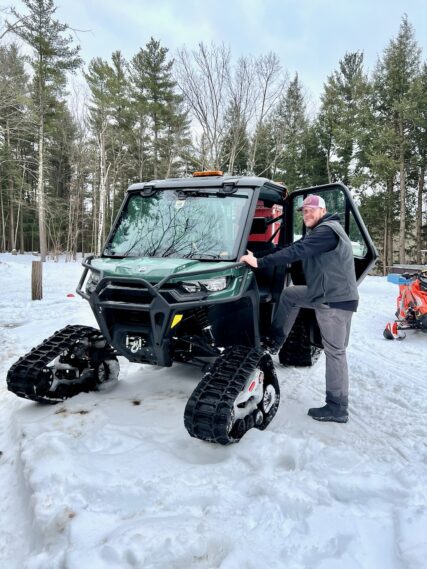
Todd Clowney and one of the Trail Finder’s Utility Task Vehicles (UTV)
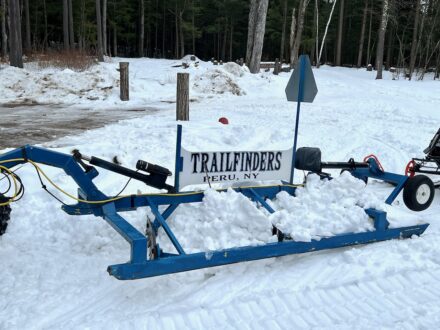
The groomer Clowney pulls
 By John T Ryan
Peru, NY, February 23, 2026 – Remember the days when it seemed like almost every local family owned a snowmobile. Reduced snowfall has resulted in fewer people enjoying the activity; nevertheless, many families still do. In New York State, people register up to 130,000 sleds each year to travel over the state’s over 10,000 miles of trails. Todd Clowney, president of the local Trail Finder Snowmobile Club, explained, “The best thing about snowmobiling is the camaraderie. People stop to talk along the trails and form friendships. It’s a great family activity. Many young moms and dads bring their kids. This has been one of the best snowmobiling years in at least five or six years. We haven’t experienced a warm spell. Today, I saw at least 25 sleds go by our house.” (Todd lives just off the Allen Hill Road).
None of this fun would be possible without the Trail Finders. Formed in 1975, the club is celebrating its 50th anniversary. Members dedicate their evenings to grooming over 100 miles of trails between Route 374 in the north and Union Falls in the south. Clowney explained, “If we didn’t groom, moguls would form, making for a very unpleasant and unsafe ride. We run five groomers a combined 5,000 hours weekly when snow conditions are good.” Club members also work hard during the off-season, putting up, taking down, and replacing trail signs, cutting brush that encroaches on trails, and ensuring that culverts and bridges are safe. Throughout the year, they work with private property owners who are kind enough to allow trails to cross their land.
The 250 snowmobile clubs in the state are members of the New York State Snowmobile Association, which coordinates club activities, promotes snowmobiling, and distributes funds derived from NYS’s snowmobile registration fee. The clubs use that money to pay for equipment and fuel. All club members are unpaid volunteers.
Trail Finders’ current officers include Todd Clowney (President), Sean Bedard (Vice President), Kayla Reeves (Treasurer/Secretary), Jared McKee (Trail Coordinator), and Chris Reeves (Groomer Coordinator).
New club members are welcome. Anyone who would like to learn more about the club can attend meetings on the 1st Wednesday of the month at the Peru Rod and Gun Club. Call Todd Clowney at 518-645-2334 for more information.
Congratulations on your 50th Anniversary Trail Finders! THANK YOU for your dedication and community service.
Click here to view the NYS Snowmobile Association’s interactive trail map.
Posted: February 23rd, 2026 under Adirondack Region News, Community Events, General News, Northern NY News, Peru News, Peru resident news/accomplishments, Peru/Regional History, Recreation opportunities, Things to do in & near Peru, Upstate New York.
Tags: #snowmobiling, #Todd Clowney, #Trail Finders
Comments: none
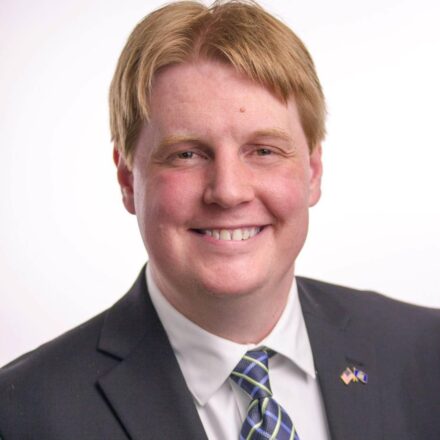 Plattsburgh, NY, February 23, Michael Cashman News Release – Assemblyman Michael S. Cashman is marking his first 100 days in office by putting the needs of the North Country front and center. From town halls to district tours and work on the Assembly floor, Cashman has focused on showing up, listening, and delivering practical results for families, businesses, and communities recognizing that meaningful change often requires persistence and collaboration.“Real change takes persistence, coalition-building, and navigating the legislative process,” Cashman said. “From day one, my focus has been clear: affordability that works for you, being serious about safety, and protecting our future. These first 100 days have been about listening, engaging, and delivering practical solutions to real problems.”
Listening and Constituent Engagement
Cashman’s early efforts have emphasized connecting directly with residents to understand their priorities. Over the first three months, he has:
- Held five town halls to hear directly from constituents he serves.
- Participated in 273 stakeholder meetings, community events, and site visits.
- Assisted hundreds of constituents through direct casework.
- Launched the 2026 Constituent Survey, which has already generated hundreds of responses.
Beyond meeting with residents, Cashman has been active in the Assembly, serving on seven committees: Aging; Agriculture; Alcoholism and Drug Abuse; Small Business; Tourism, Parks, Arts and Sports Development; Veterans’ Affairs; and as Chair of the New York–Canada Taskforce. In that leadership role, he convened the Taskforce’s first meeting with the Canadian Consulate General to strengthen cross-border cooperation, an effort critical to the region’s economy.
Legislative Action for the North Country
Building on these discussions with residents and stakeholders, Cashman has introduced 53 bills as the prime sponsor, addressing a wide spectrum of North Country priorities:
- Middle-Income Home Energy Assistance Program to stabilize household energy costs.
- Jamie Rose Care Provider Act to protect nursing home residents from abuse.
- Funding to support law enforcement and firefighters with hiring, equipment, and essential resources.
- Rural Housing Workforce Corps to expand housing supply and workforce capacity.
- Returning Veterans Tax Credit to honor those who have served our nation.
“My portfolio of Bills represent to work support small businesses, agriculture, tourism, veterans, and community development touching every corner of our district,” Cashman said. “They reflect the real needs of our families and communities and ensure that our local priorities are heard in Albany.” Among his early successes, Cashman achieved unanimous passage of A.9513, which gives local health officials timely access to critical health information to prevent injury, disease, and toxic exposure a concrete example of proactive, prevention-focused governance.
Tackling Energy Affordability
Energy affordability continues to be a pressing concern for families and businesses across the district. To address this challenge, Cashman introduced A.09426, a bipartisan measure designed to improve fairness, transparency, and accountability in utility pricing.
The legislation would:
- Cap annual electric rate increases at 2.5%.
- Pause major rate hikes for 180 days pending independent audits.
- Require clear, itemized utility bills with no hidden fees.
- Establish a Utility Accountability and Audit Unit with enforcement powers.
- Create a Community Affordability Protection Program for households under 80% of county median income.
- Prohibit ratepayers from funding executive bonuses or incentives.
“Legislation alone isn’t enough,” Cashman said. “That’s why I’m working across party lines and calling on the Governor to take immediate action. This isn’t partisan it’s about families struggling to pay their bills and keep their homes safe. Every New Yorker deserves clarity, fairness, and accountability from their utilities.”
Looking Ahead
As Cashman reflects on his first 100 days, feedback from town halls continues to shape his agenda. “The message from our town halls from seniors to business owners to working families is clear: New York must stabilize electric costs, protect families, and build a stronger, safer future,” he said. “That’s what drives my work, and that’s what I’ll continue to fight for every day. The North Country deserves a government that listens, acts, and delivers for its residents, and that’s exactly what I intend to do.
Posted: February 23rd, 2026 under Adirondack Region News, General News, Northern NY News, Political News, State Legislator News.
Comments: none

Million Dollar Chicken Casserole
Bread
Dessert
Served 4:30 to 5:30 p.m., take-out only, at St. Augustine’s Parish Center, 3030 Main St., Peru, NY 12972.
All are invited and welcome!
Posted: February 22nd, 2026 under Adirondack Region News, Community Events, General News, Northern NY News, Peru News.
Comments: none
Community leaders, educators, faith organizations, etc. needed for July 19-26 week-long event
Click here for the Sun Community News story
Posted: February 22nd, 2026 under Adirondack Region News, Arts and Entertainment, Business News, Community Events, Education News, National History, Northern NY News, Peru/Regional History, Things to do in & near Peru, Upstate New York, Veterans' News.
Comments: none
Albany, February, 21, 2026, NYS News Release – Governor Kathy Hochul today declared a State of Emergency in Albany, Bronx, Columbia, Greene, Delaware, Dutchess, Kings, Nassau, New York, Orange, Putnam, Queens, Richmond, Rockland, Schenectady, Schoharie, Suffolk, Sullivan, Ulster, Westchester and contiguous counties, and activated the New York National Guard as a blizzard is forecast to hit the lower Hudson Valley, New York City and Long Island, and severe winter weather conditions are expected throughout the rest of the Hudson Valley. Forecasts rapidly worsened Friday night and now indicate 18 to 24 inches of snow with winds potentially gusting at over 60 mph for Long Island and New York City. The Hudson Valley is forecast to see 12 to 18 inches of snow, while the Capital Region could see eight to 12 inches. Other areas statewide will see totals from one to six inches of snow. These blizzard conditions will create extremely dangerous travel conditions, coastal flooding and the potential for power outages.
Beginning Sunday, 100 members of the New York National Guard with 25 vehicles will be staged across the lower Hudson Valley, New York City and Long Island to support Downstate response operations and local partners. Additionally, the State Emergency Operations Center will activate beginning Sunday morning. Read more »
Posted: February 22nd, 2026 under Adirondack Region News, City News, Community Events, Upstate New York, Weather News/History.
Comments: none
ORDA board approves maintenance planning process for Lake Placid and alpine facilities valued at $1B
Click here for the Adirondack Explorer story
Posted: February 22nd, 2026 under Adirondack Region News, Business News, Community Events, National History, National News, Northern NY News, Peru/Regional History, Political News, Recreation opportunities, Regional NY-VT News, State Government News, State Legislator News, Statewide News.
Comments: none
February 25, 6 pm, (This is a date change. The event was originally scheduled for Feb. 24) Advisor’s Room, Beekmantown High School, Haynes Road Entrance, West Chazy. The Golden Age of the Cigar Trade in Downtown Plattsburgh – photos and stories of the men who generated this prosperous local industry. Seating is limited. Call 518-561-0340 before February 24 to reserve a seat.
Posted: February 21st, 2026 under Adirondack Region News, City News, Community Events, Northern NY News, Peru/Regional History.
Comments: none
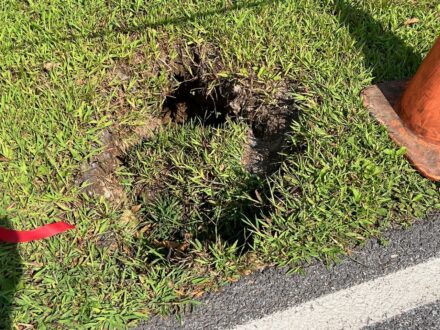
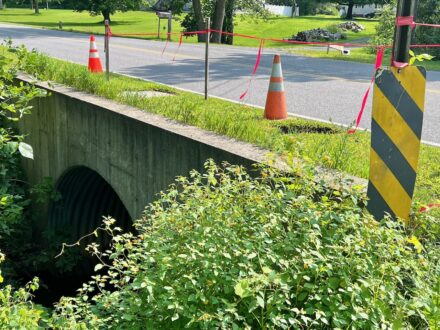
Peru, NY, February 20, 2026 – Peru’s culvert replacement saga is moving forward. On Friday, February 20, 2026, Town Clerk Christine Crawford opened bids from four contractors to replace the deteriorating Lyons Road culvert. Ed Garrow and Sons Inc. of Plattsburgh submitted the low bid of $317,205; Birdsall Excavation and Construction of Clarksville, NY, bid $429,112.50; JAT Construction of Ravena, NY, bid $ 413,500; and All State Construction of Burlington, VT, bid $435,001. All the contractors included an extra amount for rock removal. The design, bid specification preparation, any financing, and miscellaneous expenses are in addition to construction costs.
Town Supervisor Craig Randall expressed satisfaction with the bids, saying, “For once, they come in lower than estimates.” Randall said the town’s contract engineer, Engineering Ventures, would review the bids and make a recommendation to the town board.
Posted: February 21st, 2026 under Adirondack Region News, General News, Highway Dept. News, Northern NY News, Peru News.
Comments: none

- Call Meeting to Order
- Pledge of Allegiance
- Roll Call
- MOTION: Approval of Minutes for the Regular Meeting of February 9, 2026.
- Community Input.
- DISCUSSION: Engineering Update on Telegraph Road Over Dry Mill Brook.
- RESOLUTION/DISCUSSION: Possible Award on Bid the Lyons Rd. Culvert Replacement Project.
- RESOLUTION/DISCUSSION: Acceptance of Construction Inspection Services Proposal for the Telegraph Rd, Over Dry Mill Brook Culvert Replacement Project.
- RESOLUTION/DISCUSSION: Approval of Money Transfer from Water Debt Service to Pay H34 Water Project Bill.
- RESOLUTION/DISCUSSION: 202-b Order for the Peru Water Treatment Facilities Upgrade.
- RESOLUTION/DISCUSSION: Bond Resolution for the Peru Water Treatment Facilities Upgrade.
- DISCUSSION: Other Business. – Councilmen
- DISCUSSION: Other Business. – Dept. Heads
- DISCUSSION: Public Comments on Agenda Items Only.
- RESOLUTION/DISCUSSION: Pay Bills – December 2025
- RESOLUTION/DISCUSSION: Pay Bills – January 2026
- MOTION: Adjourn to Executive Session.
- MOTION: Return from Executive Session.
- MOTION: Adjourn Meeting.
Posted: February 20th, 2026 under Adirondack Region News, General News, Northern NY News, Peru News, Town Board News.
Comments: none
- 1. Call Meeting To Order
- Pledge of Allegiance
- Roll Call
- MOTION: To Open the Public Hearing.
- DISCUSSION: Community Input and Questions
- MOTION: To Close the Public Hearing.
- MOTION: Adjourn
Posted: February 20th, 2026 under Adirondack Region News, Northern NY News, Peru News, Town Board News.
Comments: none
The New York State Department of Environmental Conservation (DEC) announced a new online exam for people seeking to become licensed Nuisance Wildlife Control Operators (NWCOs). To provide enhanced access, DEC is offering these examinations online and free of charge.
“As part of our ongoing efforts to enhance the customer experience, DEC is proud to offer these free examinations online,” DEC’s Deputy Commissioner for Natural Resources Katharine Petronis said. “This process makes it easier for individuals to meet examination requirements, apply for a license, and take part in helping others safely respond in situations where wildlife is damaging property or has become a nuisance.”
A NWCO is a person at least 18 years of age who is authorized to take/trap, transport, and release wildlife whenever an animal becomes a nuisance, destroys property, or threatens public safety. Licensed individuals can conduct these activities for commercial purposes or as an employee of a municipality.
Applicants are not required to be a resident of New York State to receive a NWCO license.
The 2 hour exam can be completed any time between 7 am and 11 pm on the assigned date.
|
2026 NWCO Examination Schedule
|
|
Exam Date
|
Exam Times
|
Registration Must be Received by
|
|
March 13, 2026
|
7:00 a.m.–11:00 p.m.
|
March 12, 2026
|
|
April 17, 2026
|
7:00 a.m.–11:00 p.m.
|
April 16, 2026
|
|
May 15, 2026
|
7:00 a.m.–11:00 p.m.
|
May 14, 2026
|
|
June 26, 2026
|
7:00 a.m.–11:00 p.m.
|
June 25, 2026
|
|
July 17, 2026
|
7:00 a.m.–11:00 p.m.
|
July 16, 2026
|
|
August 14, 2026
|
7:00 a.m.–11:00 p.m.
|
August 13, 2026
|
|
November 6, 2026
|
7:00 a.m.–11:00 p.m.
|
November 5, 2026
|
|
December 11, 2026
|
7:00 a.m.–11:00 p.m.
|
December 10, 2026
|
All exams will be online. Exam and registration instructions and a NWCO training manual can be found on DEC’s “Nuisance Wildlife Control Operator” webpage.
To register, visit the “NYS Department of Environmental Conservation Special Licenses Exam Registration – Nuisance Wildlife Control Operator Exam” webpage. Applicants will receive an email acknowledging registration with a one-time link to access the exam on the specified exam date. Upon successful completion of the exam, applicants will receive information on applying for the license, including an application form. Please do not send applications or fees prior to passing the examination.
For questions or assistance please contact:
DEC Special Licenses Unit, 625 Broadway, Albany, NY 12233-4752
Email: SpecialLicenses@dec.ny.gov
Phone: 518-402-8985
Posted: February 20th, 2026 under Adirondack Region News, Environmental News, Law Enforcement News, Northern NY News, State Government News, Statewide News, Upstate New York.
Comments: none
Town of Keene
Essex County
Wilderness Recovery: On February 12 at 3:05 p.m., Ray Brook Dispatch received a call through Essex County 911 from a hiker with a dog who said they slipped off the trail near the summit of Mount Marcy and were unable to get back on the trail. The initial response included six Forest Rangers on snowmobiles, one New York State Police Pilot, one Ranger Helicopter Crew Chief, one Ranger Helicopter rescuer, and one Ranger on a tracked utility task vehicle (UTV). New York State Police (NYSP) Aviation responded for a possible hoist rescue. Due to the heavy cloud cover, the two Rangers in the helicopter could not see the missing hiker. At 6:06 p.m., one of the Rangers in the helicopter was inserted into the Marcy Dam Outpost to search on the ground. At 9:51 p.m., a Ranger located the 21-year-old hiker from New Jersey deceased and weather conditions prevented removal from the mountain at that time. Rangers also found the dog alive and hiked it out to safety. On the morning of February 13, NYSP Aviation inserted two Rangers to the site and recovered the hiker.
The New York State Department of Environmental Conservation offers its condolences to the family.
Town of North Elba
Essex County
Wilderness Rescue: On February 12 at 8:17 p.m., Ray Brook Dispatch called Forest Ranger Ordway about a hiker who became lost while hiking Phelps and Tabletop mountains. The hiker’s spouse said they last heard from the hiker at 4:30 p.m. when they were attempting to bushwhack back to the trail. The spouse provided coordinates based on a phone app. Ray Brook Dispatch called the hiker and confirmed they were still lost off trail, but then the call dropped. At 9:41 p.m., Ranger Ordway found the hiker’s vehicle at Adirondak Loj. At 9:47 p.m., the hiker called 911 and provided new coordinates. At 10:30 p.m., Rangers Hamm and O’Connell located the 65-year-old from Arkport. Rangers transported the subject to their vehicle. After talking to the hiker, Rangers determined the subject lost the trail at the summit of Phelps Mountain and was unable to locate the trail using their phone, which died during a 911 call. The hiker paced back and forth to maintain body temperature until Rangers arrived. Resources were clear at 12:09 a.m.
Rangers suggest hiking with a map and compass. While cell phones can be helpful, there are places in the High Peaks without cell service. Phone batteries also drain more quickly in the cold weather. DEC’s website has information about the 10 Hiking Essentials and other details to hike safely.
Town of Keene
Essex County
Wilderness Rescue: On February 14 at 3:23 p.m., Ray Brook Dispatch received a call from the spouse of a hiker who was off trail on Haystack Mountain and getting cold. Forest Rangers called the 51-year-old hiker and determined they were near the summit of Basin Mountain. Rangers talked the hiker back onto the trail. At 7:10 p.m., Rangers Jansen and Jeffery met the hiker on the trail to ensure the hiker was safe and hiked with the subject back to the trailhead.
Town of Wilmington
Essex County
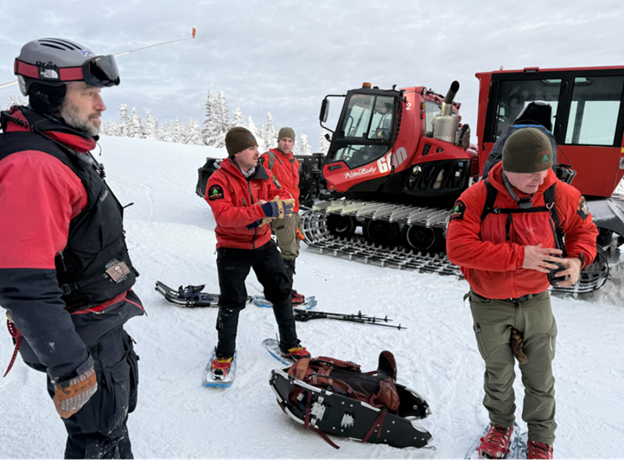
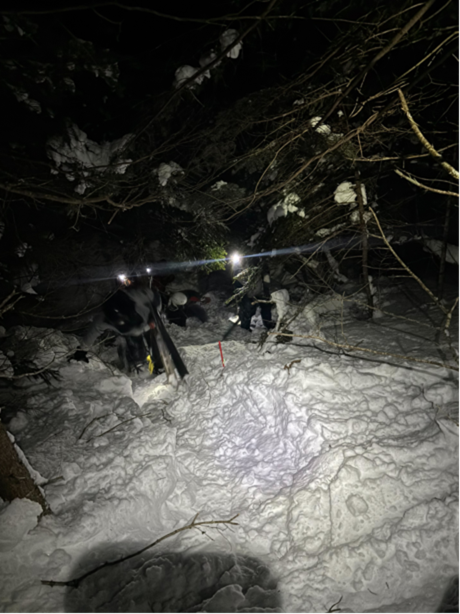
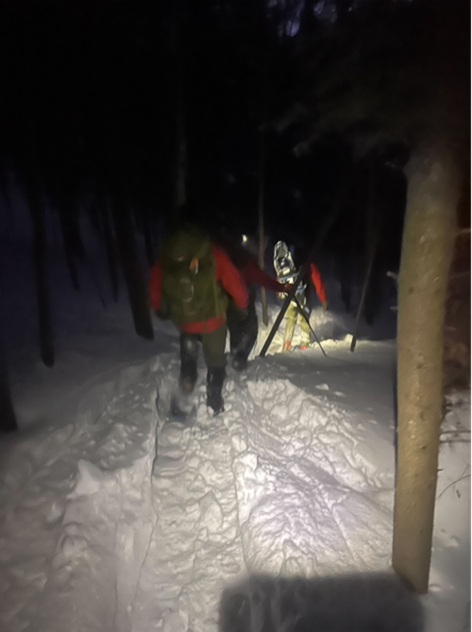
Wilderness Rescue: On February 15 at 3:19 p.m., Whiteface Mountain medical services contacted Forest Rangers and Whiteface Ski Patrol to assist three skiers who skied out of bounds into the McKenzie Mountain Wilderness. Rangers made contact with the skiers and determined the three teenagers were uninjured but were stranded in deep snow on top of a cliff. Whiteface Mountain staff provided a ride in a snowcat for four Rangers. At the same time, NYSP Aviation and one Ranger located the group and dropped off sleeping bags for warmth. At 6:07 p.m., Rangers located the skiers warm and in good health. Rangers provided the skiers with snowshoes and headlamps and assisted them back to the resort.
Whiteface Mountain rescue
Whiteface Mountain rescue
Whiteface Mountain rescue
Town of Wilmington
Essex County
Wilderness Rescue: On February 15 at 5:10 p.m., Forest Rangers responded to a call for a hiker experiencing cardiac issues while hiking Whiteface Mountain between Lookout and Marble mountains. At 6:53 p.m., Rangers Corey and R. Praczkajlo reached the hiker and assisted the 68-year-old to the trailhead where they transferred care to Wilmington EMS. Resources were clear at 8 p.m.
Be sure to properly prepare and plan before entering the backcountry. Visit DEC’s “Hike Smart NY,” “Adirondack Backcountry,” and “Catskill Backcountry Information” webpages for more information.
If a person needs a Forest Ranger, whether it’s for a search and rescue, to report a wildfire, or to report illegal activity on State lands and easements, they should call 833-NYS-RANGERS. If a person needs urgent assistance, they can call 911. To contact a Forest Ranger for information about a specific location, the DEC website has phone numbers for every Ranger listed by region.
Posted: February 20th, 2026 under Adirondack Region News, Law Enforcement News, Northern NY News, State Government News, Statewide News.
Comments: none

 By John T Ryan