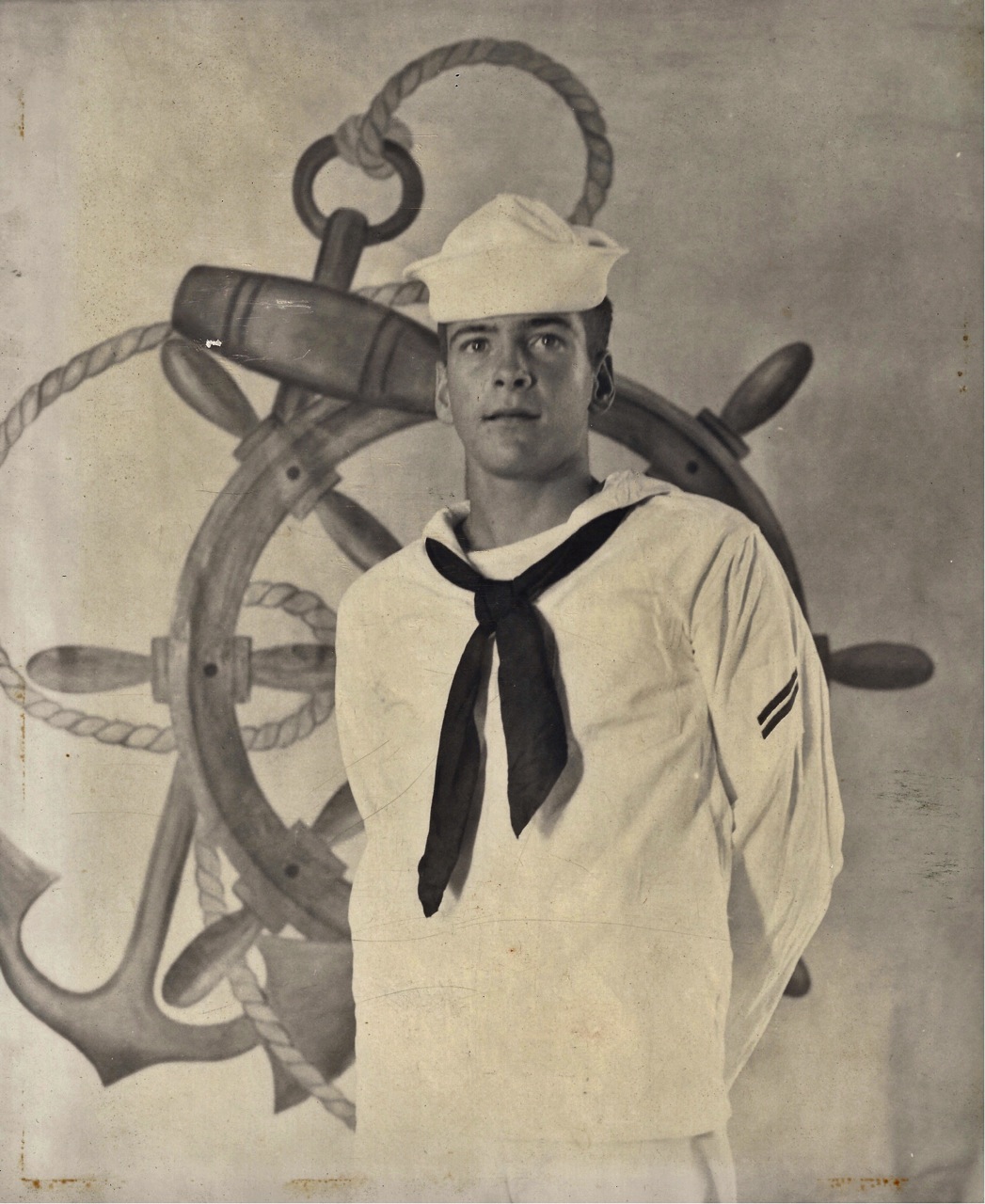
U. S. Navy Seabee John Lawliss 1951-55
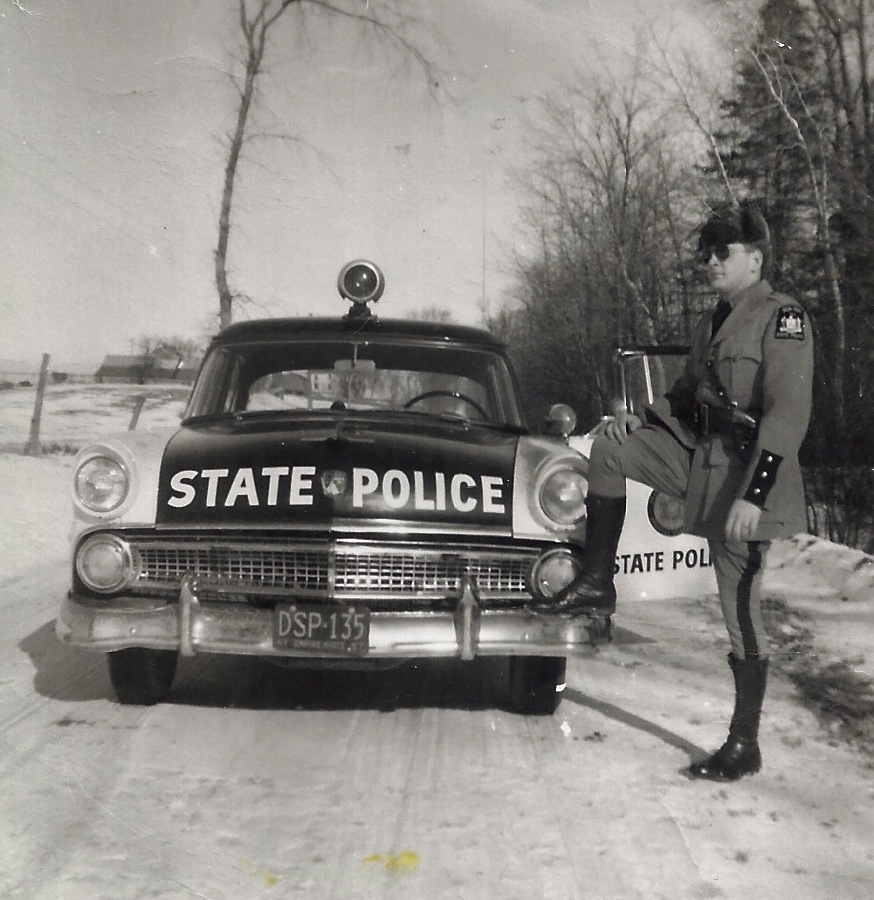
NYS Trooper John Lawliss – 1957
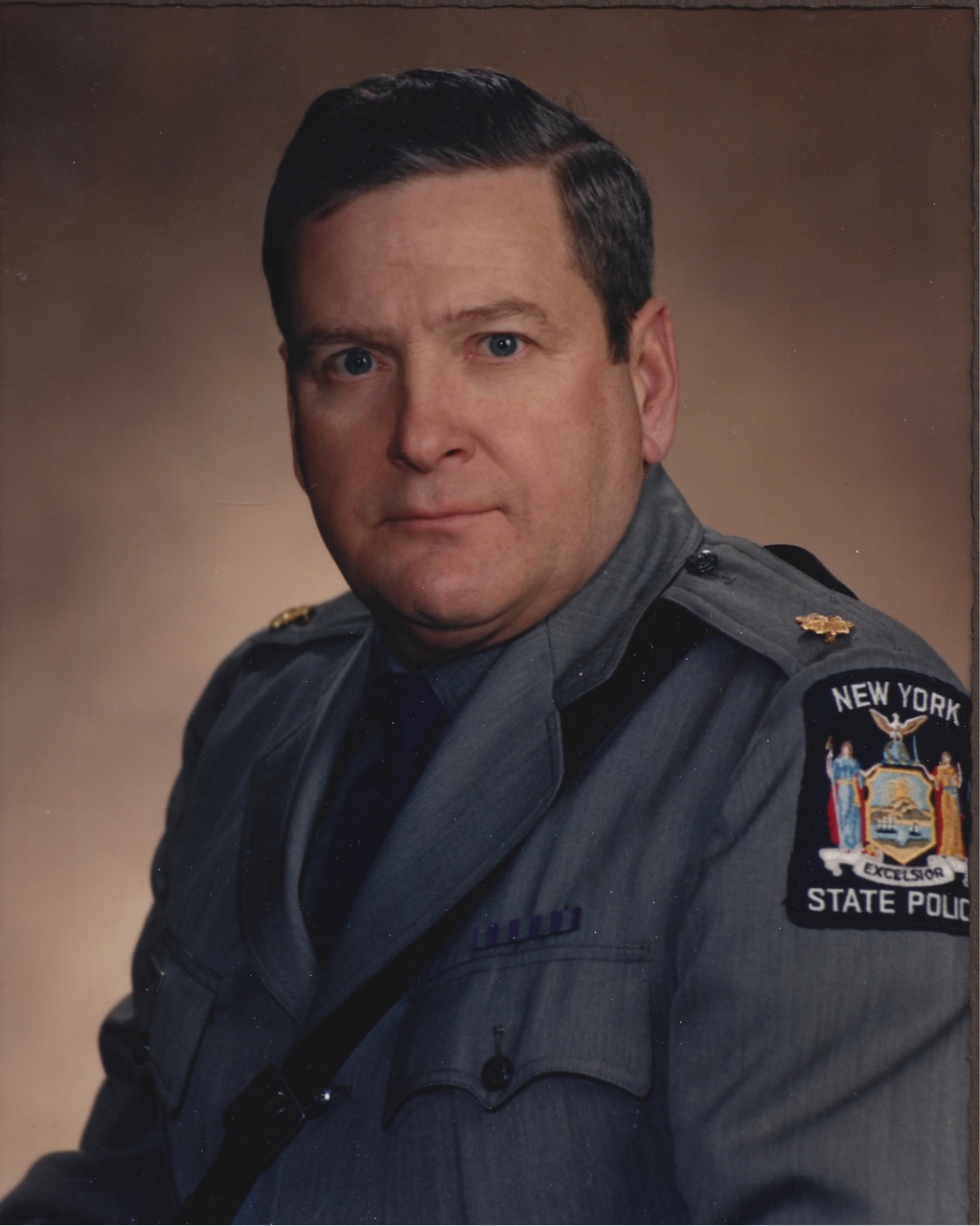
Troop B Commander John Lawliss – 1983-1987

Jack Lawliss at his Peru home – January 20, 2015
By John T. Ryan
Longtime Peru resident John “Jack” Lawliss feels and looks good these days. And he’s relaxing! That’s a relief to many people who were thinking of and praying for Jack as he battled tongue cancer. Last spring his cancer treatments forced him to resign from his Peru Town Justice position. Jack explained, “I just couldn’t handle the job. I had to take radiation. Rather than just sit and draw my pay I resigned.”
Jack Lawliss has earned the right to relax. He’s been hard at work since joining the U.S. Navy in 1951. When he returned home in 1955, he worked construction for a few months at the new Plattsburgh Air Force Base. In October 1955 he began a career that he loved as a member of the New York State Police.
Over the next 33 years Jack Lawliss rose to become Troop B Commander responsible for leading 260 sworn officers and 40 support personnel in enforcing the laws in Clinton, Essex, Franklin, St. Lawrence and Hamilton Counties. After retiring in 1989, he operated a Plattsburgh investigative agency for ten years before becoming Clinton County Sheriff in 1999. He became a Peru Town Justice in 2004.
On January 20th, The Peru Gazette interviewed Jack Lawliss with a goal of learning more about the man and his distinguished law enforcement career.
You served in the New York State Police, as Clinton County Sheriff and as Peru Town Justice. Which job did you enjoy most? “My first love was the State Police. I grew up in it. It was like family to me. I knew what I was doing there. It takes a while to learn the job of sheriff. As a judge it takes a long time to learn the job. You’re always learning something, laws change every year and you have to be up to date on the laws and the recent court decisions.”
What personal qualities do you believe are necessary for success in law enforcement? “You have to be dedicated. You have to persevere in your work; you have to work hard and you have to put the job first. My wife used to get quite annoyed with the long hours I had to work.” Jack recalled when he was in the Bureau of Investigation (BCI) in Plattsburgh. “I was in Plattsburgh for four years. You had to work all the time. You had daytime duty, stakeouts at night. I loved it! You have to enjoy your work to be successful.”
Who had the most influence on your career? “John Snell (Plattsburgh attorney Jack Snell’s father). He was a BCI Sergeant in Port Henry who was known as ‘Mr. State Policeman of Essex County.’ He took me under his wing and I tried to emulate him. He was a great mentor and taught me the ropes.”
Why were you considered to be a good leader? “When I was appointed Troop Commander I had 27 years of service and worked in every rank in the BCI and uniformed force so I was very familiar with all the state police policies and procedures. My main concern was to have the folks in my command do a good job.”
What was your major challenge when you were a state trooper? “In all three positions I was concerned about making the right decision. As a state trooper it was sometimes a life or death decision and you didn’t want to make a wrong decision knowing the impact that it would have.”
Why do you think the NYS Police are so respected? “They’re always well-disciplined and supervised. They have continuing education with in-service training and various law enforcement seminars.”
When you think about your police career what cases come first to mind? “The Robert Garrow manhunt. Garrow was loose with a rifle in the Adirondacks and had murdered three college students. I was sent by Headquarters with my assigned detail to assist in the manhunt, as I was very familiar with the area. I had worked in Port Henry as a trooper for six years and I had many contacts in that area. Garrow was spotted in Witherbee and had left a stolen car in that area. I obtained information that he was hiding in the woods on the Silver Hill Road behind Wasson St. in Witherbee. I was not in charge of the detail, but I convinced the person in charge of where he was and we reassigned a number of troopers from roadblocks and sent them in with the dogs in the Silver Hill area. We shot him in that area on August 9, 1973. I received a Superintendent’s Commendation for my part in the nine-day manhunt.”
Jack also recalled leading a raid at Akwesasne near Massena. The troopers had been ordered to seize a large number of slot machines. Governor Mario Cuomo was very concerned and did not want a violent confrontation. Jack explained, “On December 16, 1987 I took over 200 troopers onto the St. Regis Reservation at 5 in the morning. It was snowing. My God was it snowing. One man we encountered was distraught and had an AK-47. I went up to talk to him and asked him his name. He said ‘Burns.’ I continued talking to him and the next thing you know I had his gun.” When the raid was over the troopers loaded the 293 slot machines and 30 other gambling devices on seven trucks and left without an injury to anyone. Governor Cuomo called the Superintendent and told him to let me know that he was thankful and that we had done a good job.” Jack received another Superintendent’s Commendation for his leadership role in this raid.
What surprised you most when you became Clinton County Sheriff? “The strict regulations the Commissioner of Corrections had on the operation of jails. It even got to the point where we had to send the inmate meal menu to Albany for approval to ensure that inmates were properly nourished. Also, the amount of money it costs for medical/drug treatment for inmates.”
What was the most challenging part of being a town justice? “There are a lot of defendants’ rights, hearings, motions, dealing with the district attorney’s office, dealing with the county and family court judges, the probation office, sheriff’s office and Office of Court Administration. You have to attend justice school and be certified every year. Today every court session is recorded. There’s a lot to it.”
What is the biggest challenge facing the criminal justice system today? “The proliferation of drugs. An awful lot of crimes are committed to enable young people to get drugs: burglaries, larcenies, forgeries and as a result of being drugged up they are involved in serious car accidents, assaults, domestic violence, etc.”
What advice would you give anyone starting work in today’s world? “Take an interest in your job. Don’t be afraid to take that extra step to get it done right. Your supervisors will notice that. Have a good work ethic, be punctual and treat everyone with respect.”
Who had the most influence on your personal life? “My mother. She was very honest, very religious, a very hard worker and very family-oriented.
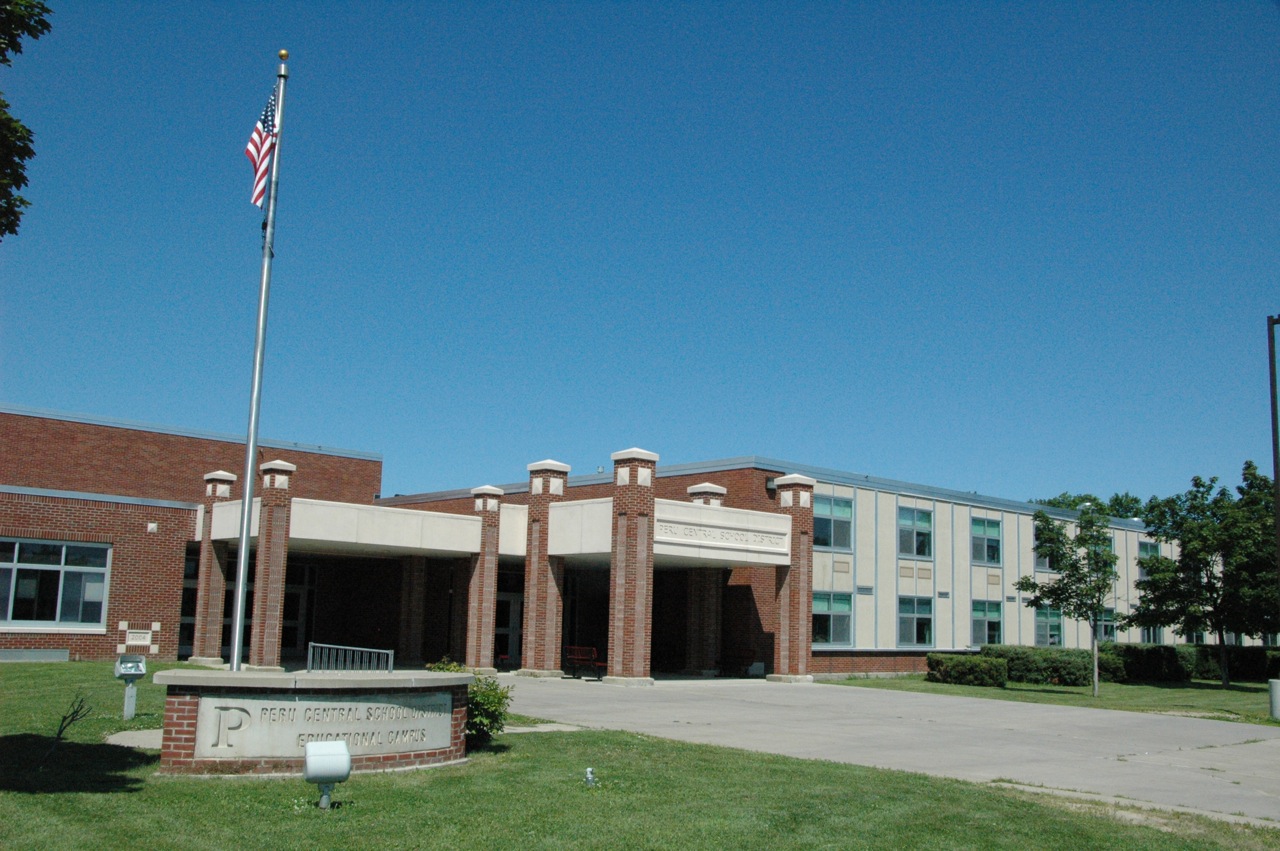
What is the best thing about living in Peru? “The people! We have great people here. We have a lot of conveniences. I live a mile from the school, the church, the drugstore, the hardware store, the garage, the supermarket, the town hall and three restaurants. It’s a beautiful area geographically. I love it here.”
Jack Lawliss concluded, “My life has been very rewarding in both my family and occupation. I’ve been blessed with good health. I have four successful children and nineteen grandchildren and I’ve been blessed with the ability to earn a good living.” Jack married Peru resident Gail Prevost in 1958. The couple’s four children Tim, Anne, Michael and Brenda all reside in the Town of Peru.

 PLATTSBURGH, N.Y. (January 29, 2015) – The Strand Center for the Arts announces the production of A.R. Gurney’s critically acclaimed play “Love Letters” to be performed on Valentine’s Day February 14, 2015 at the historic Strand Theatre. The play features performers from the Adirondack Regional Theatre Company.