Drivers Urged to Be Alert for Moose in the Adirondacks
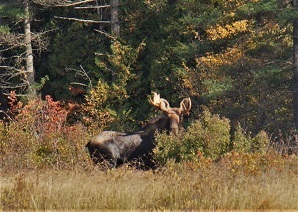
If you’re traveling to an outdoor destination this weekend be on the lookout for moose on the move. This time of year, moose are wandering looking for mates, leading them to areas where they are not typically seen. While this improves the opportunities for people to enjoy sightings of a moose, it also increases the danger of colliding with one on the roadway.
Moose are most active at dawn and dusk, which are times of poor visibility. They are also especially difficult to see at night because of their dark brown to black coloring and their height – which puts their head and much of their body above vehicle headlights.
Take the following precautions to prevent moose-vehicle collisions:
- Use caution when driving at dawn or dusk – reduce your speed, stay alert, and watch the roadsides;
- Slow down when approaching moose standing near the roadside, as they may bolt at the last minute when a car comes closer;
- Moose may travel in pairs or small groups, so if a moose is spotted crossing the road, be alert for others that may follow;
- If a moose does run in front of your vehicle, brake firmly but do not swerve. Swerving can cause a vehicle-vehicle collision or cause the vehicle to hit a fixed object such as a tree or pole; and
- If a moose is hit and killed by a vehicle, the motorist should not remove the animal unless a permit is obtained from the investigating officer at the scene of the crash.
If you do see a moose, be sure to report it and submit a photo to Info.R5@dec.ny.gov. More information about moose can be found on DEC’s website.
Posted: October 28th, 2021 under Adirondack Region News, Environmental News, Northern NY News.
Comments: none
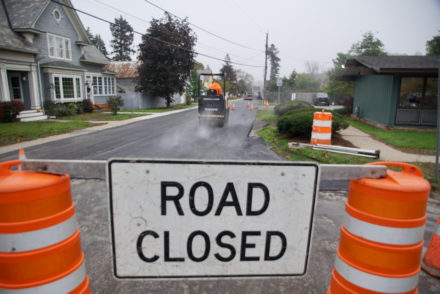
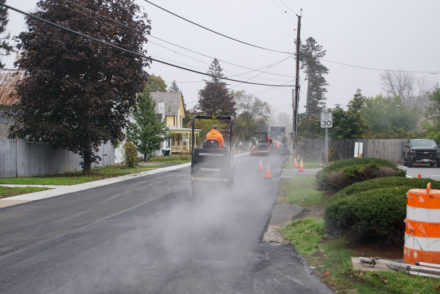
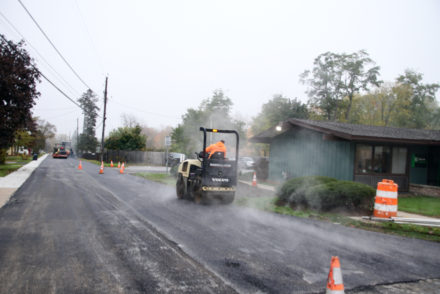
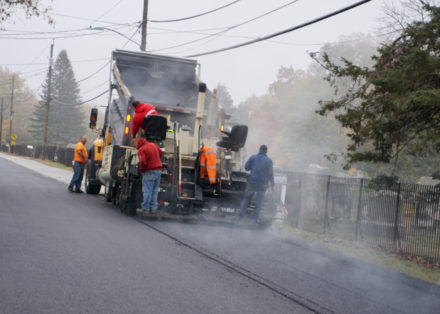
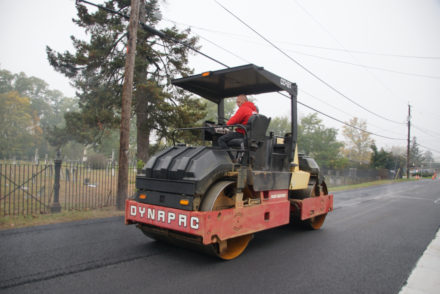
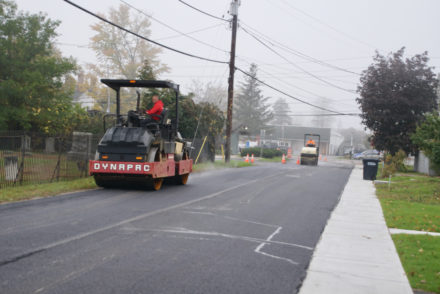
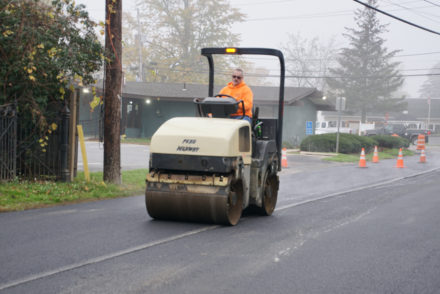 (Photos added at 11 a.m. 10/29/21) Town of Peru Highway will be closing North Bend from State Route 22 (TD Bank end) to Sunrise Drive tomorrow Friday, October 29th @ 7 am til 3 pm to pave. TD Bank customers may have a disruption in using the drive thru while paving the small section from State Route 22 to TD Bank parking lot.
 Each year Americans dispose of 2 billion pumpkins after they have served their purposes adorning our stoops and porches, according to a recent article in Atlantic magazine. Rotting organic material, such as pumpkins and their innards, when buried in a landfill produce methane – a potent greenhouse gas.